




Paige Adams Arrest: Former Cold Springs Coach Charged

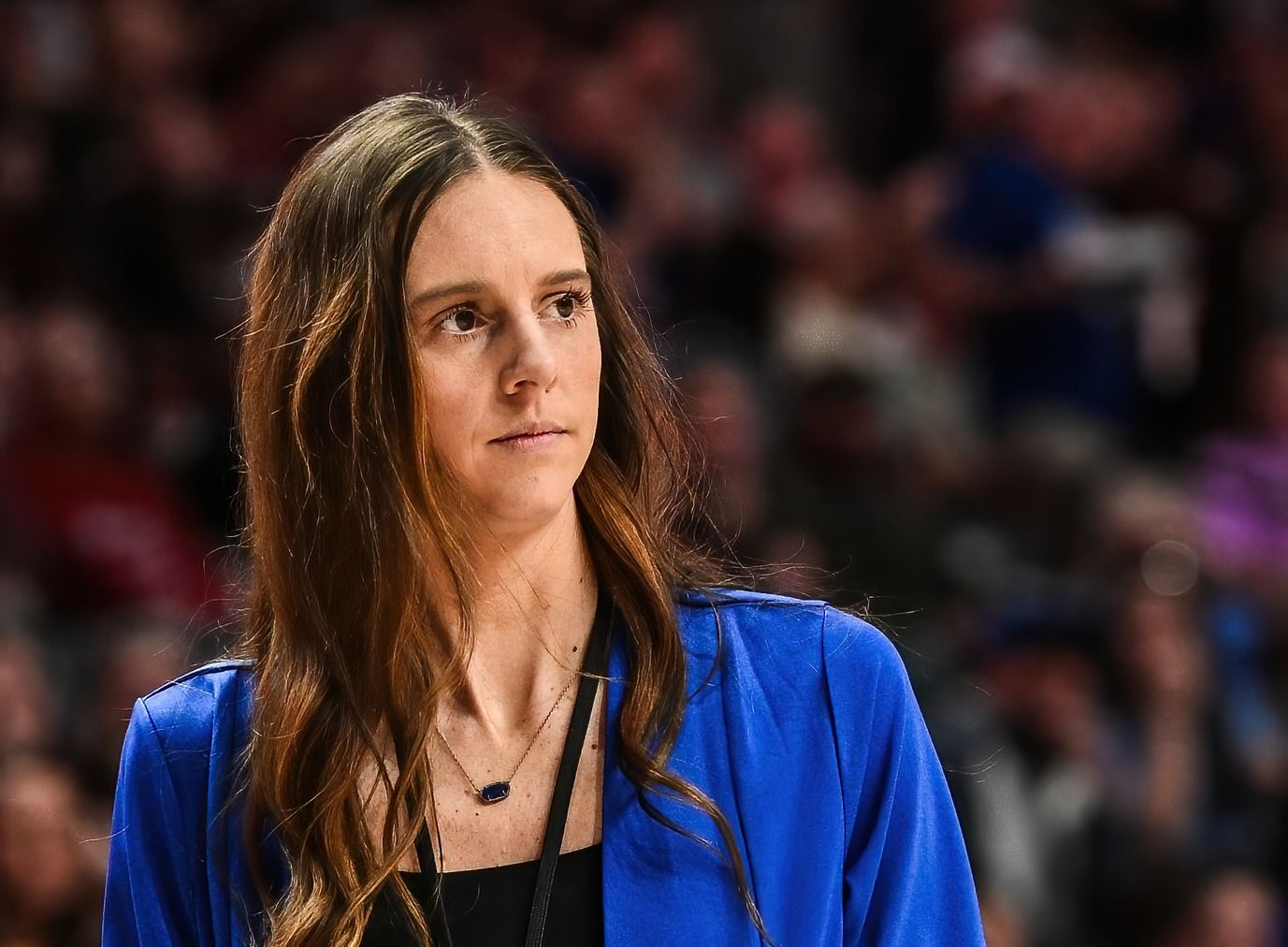
Former Cold Springs basketball coach Paige Adams was arrested and booked into Cullman County Jail on 32 charges. These include two felony counts for sexual acts and contact with a student, alongside 30 misdemeanor counts of distributing obscene material, highlighting a major investigation in North Alabama local news.

What are the charges against Paige Adams?

The legal situation surrounding the former coach is extensive, involving a total of 32 separate counts. These charges were filed following an investigation into interactions with a student at Cold Springs. According to official records, the breakdown of the charges includes:

  • One felony count of a school employee engaging in a sex act with a student.
  • One felony count of a school employee engaging in sexual contact with a student.
  • Thirty misdemeanor counts for the distribution of obscene material.
  • All charges were processed through the Cullman County Sheriff's Office.
  • The individual was booked directly into the Cullman County Jail.

Details of the Cold Springs basketball coach arrest

Cullman County Law Enforcement

The arrest of a prominent local figure has sparked significant conversation across North Alabama. As the former head coach for the Cold Springs basketball program, Adams held a position of trust within the school system. The news of the 32 charges has led many to seek further information through local news channels and community updates. This case is currently being handled by local authorities, and further details are expected to emerge as the legal proceedings move forward in the coming weeks.

For those following the story, it is important to distinguish between the various counts. While the two felony charges represent the most severe legal allegations, the volume of the 30 misdemeanor charges related to obscene material suggests a prolonged period of investigation by law enforcement. Residents looking for the latest broadcast updates can listen live to our team for real-time reporting as the situation develops.

Why was Paige Adams arrested in Cullman County?

Empty School Gym

The arrest occurred following specific allegations involving a student-teacher relationship that crossed legal boundaries defined by Alabama state law. School employees are held to strict standards of conduct, especially when dealing with minors. In this instance, the charges suggest a violation of those professional and legal standards. The Cullman County Sheriff's Office is the lead agency on this case, ensuring that all local protocols for handling such sensitive investigations are followed.

If you have any information regarding this case or similar concerns, you are encouraged to contact us or reach out to local law enforcement directly. Community safety and the integrity of local athletic programs are of the utmost importance to North Alabama residents. Businesses looking to support community-focused messaging during these times can also view our advertising packages to see how to reach our wide audience of sport and news fans.

How will this impact North Alabama sports?

The news of the Paige Adams arrest has sent ripples through the local sporting community. Cold Springs has a storied tradition in basketball, and the departure of a coach under these circumstances is a significant blow to the program. However, the priority for the school and the community remains the well-being of the students involved and the adherence to the legal process.

Key Takeaways from the Paige Adams Case:

  • Total Charges: 32 counts, including 2 felonies and 30 misdemeanors.
  • Location: The incident and subsequent booking occurred in Cullman County.
  • Status: The former coach is currently being processed through the legal system.
  • Updates: Stay tuned to WKUL Radio for continuing coverage and analysis.

As this story continues to develop, we will provide the facts as they are released by the court and law enforcement. Our commitment is to provide North Alabama with accurate and professional news coverage that respects the legal process while keeping the public informed.

Share this Story

Advertisement for CEC online account. Laptop and phone display the website. Features include quick pay and draft payments. Available now with green and white text.
Golf ball on tee in front of the Cross Creek Golf Course logo and website address against a blurred green background.
Logo for
Car accident graphic with text: 30% of Americans need life insurance but don't have it. Contact Kathy Sims.
A Wilson basketball passing through a basketball hoop net against a black background.
By Staff Post April 15, 2026
The landscape of Alabama high school basketball is set for a significant shift following the Alabama High School Athletic Association’s (AHSAA) recent decision to implement a 35-second shot clock. This move brings the state in line with a growing national trend, moving away from the traditional format where a team could theoretically hold the ball for several minutes at a time to protect a lead. While the change has been met with general optimism from fans and recruiters, it also raises practical questions regarding the necessity of the rule and the logistical burden placed on local schools. The primary goal of the shot clock is to ensure a consistent pace of play. Under the previous rules, teams could utilize a "stall" strategy, often resulting in long periods of inactivity that drained the energy from the gym and left the trailing team with few options. A 35-second limit prevents this, requiring offenses to engage with the rim and rewarding defensive units that can force a stop through disciplined, sustained play. Furthermore, proponents argue that the change is essential for player development. With shot clocks being standard in collegiate and professional play, many feel that Alabama’s student-athletes have been at a disadvantage when transitioning to the next level. Introducing the clock in high school allows local players to develop the decision-making skills and "internal clock" required in the modern game. Despite these competitive benefits, the question of whether this change was strictly "necessary" remains a topic of debate, particularly among school administrators. The implementation brings two primary challenges: financial investment and staffing. Outfitting a gymnasium with a shot clock system—including the hardware, wireless controllers, and integration with existing scoreboards—typically costs between $5,000 and $12,000. For smaller programs or rural districts with limited athletic budgets, this represents a significant capital expense. Additionally, operating a shot clock requires a trained, dedicated official at the scorer’s table for every game. For schools already struggling to find volunteers or staff for junior varsity and varsity doubleheaders, this adds another layer of administrative difficulty. The 35-second duration is widely considered a "middle ground" approach. It is slightly longer than the 30-second collegiate clock, providing enough time for high school offenses to execute their sets without feeling overly rushed, while still being short enough to eliminate the possibility of a total stall. As we look toward the upcoming seasons, the impact of this rule change will become clearer. While the initial transition will likely involve a learning curve for players, coaches, and officials alike, the move represents a clear effort by the AHSAA to modernize the sport. Whether the benefits to the game’s flow and player recruitment outweigh the financial and logistical costs is a question that each community will navigate as the clocks begin to tick.
A blue and gold circular emblem for the 2026 County Championship Softball tournament featuring a batter and a torch.
By Staff Post April 9, 2026
GOOD HOPE RAIDERS CROWNED 2026 COUNTY CHAMPIONS
More Posts